News & Stories
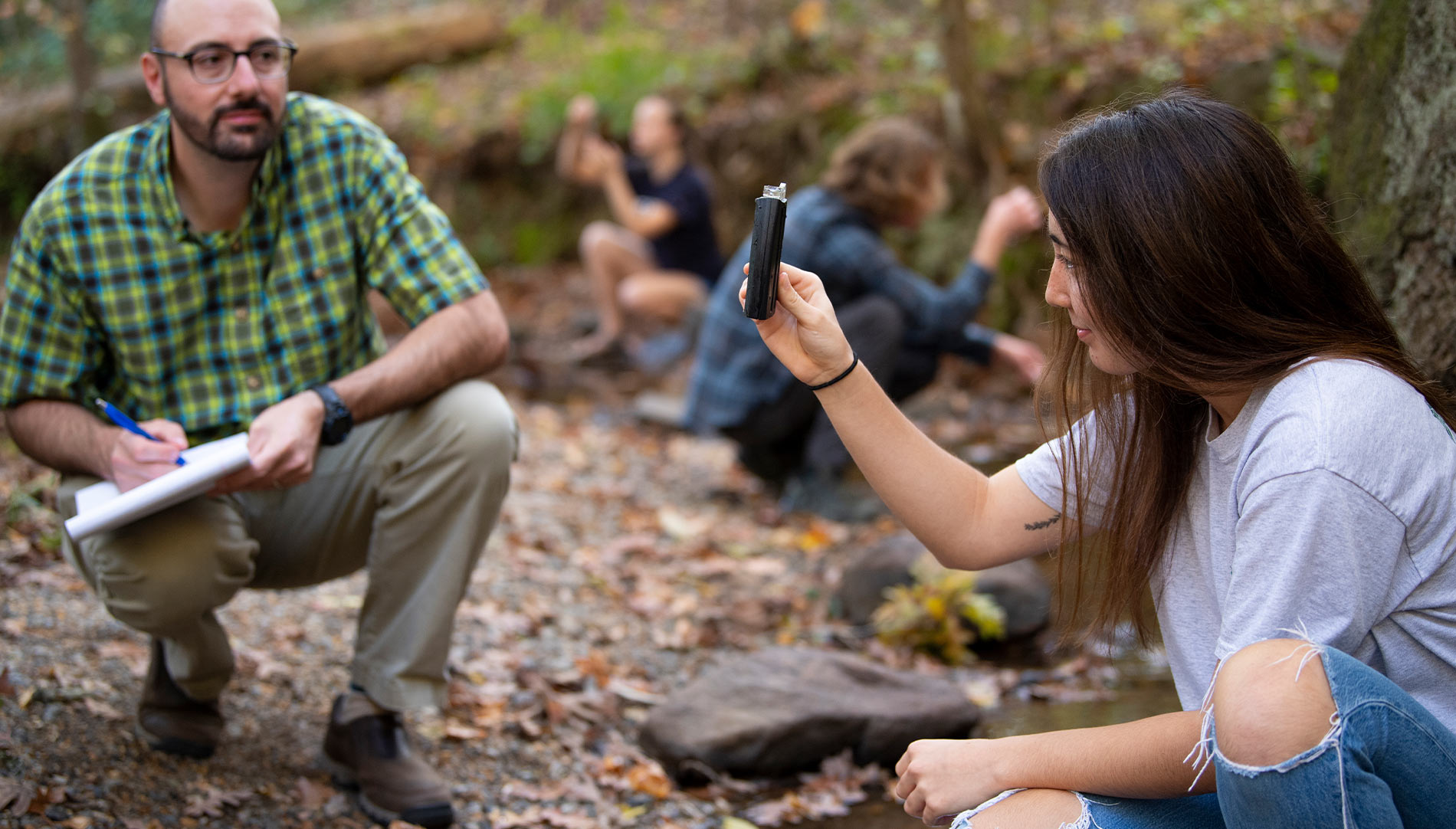
A professor and female student observe samples in tubs in an outdoor classroom
April 22, 2026

The College Search for a Green Campus

As high school students and their families explore colleges, questions about academics, affordability and campus culture often rise to the top. But increasingly, another question is joining the list: “How environmentally responsible is this college?”

For many families, sustainability is no longer just an extra or perk. It is a core part of their values system and decision-making. But what does it mean for a college to be green? How can families identify a school’s commitments to sustainability rather than surface-level claims or “greenwashing”?

One helpful guide is The Princeton Review’s green colleges framework, which evaluates hundreds of institutions nationwide using data from the Sustainability Tracking, Assessment & Rating System™ (STARS). STARS is a transparent, self-reporting framework that allows colleges and universities to measure and share their sustainability performance. Using these guides and data, students and families can learn more about what is happening on campuses across the country.

What to look for in a sustainable campus

According to The Princeton Review’s “Top 50 Green Colleges” methodology, green campuses share three foundational qualities:

  1. Strong and visible sustainability practices,
  2. Robust sustainability education and career preparation,
  3. A healthy and sustainable quality of life for students.

These qualities are assessed using school-reported data and student feedback, making green ratings as much about lived experience as institutional policy.

Strong and visible sustainability practices

When trying to understand an institution’s commitment to sustainability, check out daily operations and commitments made by college leadership. Across the country, colleges invest in:

  • Renewable energy such as on-campus or locally sourced solar power.
  • Energy efficiency through LED lighting and upgraded heating and cooling systems.
  • Water conservation including low-flow fixtures and improved stormwater management.
  • Responsible waste practices such as recycling composting and e-waste recovery.

For families visiting campuses, these efforts often show up in the everyday details. Begin by researching whether or not a college has written goals or plans that include decarbonization commitments. Then, while visiting campuses, look for signage explaining how buildings manage runoff or conserve resources. Ask questions about renewable energy. Remember that although motion-activated lights and refillable water bottle stations can have an impact, they are a much smaller financial fix than a major renewable energy source swap.

Sustainability education and career preparation

Many students also want to apply sustainability practices to their education and future careers. Top green colleges often integrate sustainability across academic programs. Common opportunities include:

  • Sustainability-focused coursework even outside environmental science classes
  • Research tied to conservation renewable energy or land management
  • Community partnerships with farms, nonprofits or local governments
  • Student-led initiatives and service-learning projects

Experiences like these reflect another key criterion used by The Princeton Review: how well colleges prepare students for employment in an increasingly green economy.

${_EscapeTool.xml($imgAlt)}

Student voices and campus culture

Institutional policies and classroom learning matters, but student voices can play a significant role in sustainable practice when students have defined, actionable roles on campus. Without these opportunities, students may feel powerless when advocating for environmentally friendly practices on campus.

Student feedback also plays a significant role in green college evaluations beyond the institution. Campuses recognized for sustainability often feature active student organizations, visible environmental initiatives and strong administrative support in connection with student leadership for conservation efforts.

For prospective students, engaged student organizations can signal that environmental responsibility is embedded in campus culture rather than only being treated as a marketing message.

A healthy and sustainable quality of life

According to The Princeton Review, a green campus is not only about reducing environmental impact. It is also about student well-being. Do students have access to the outdoors? Does transportation always require a car? Take a look at a few sustainable practices that also serve the health of the student population:

  • Walkable environments and access to outdoor spaces.
  • Dining services that reduce food waste and support responsible sourcing.
  • Clean air and water standards.
  • Opportunities for outdoor recreation and exploration.

Together, these factors influence mental wellness, physical health and overall student satisfaction. So, what are the takeaways? Here’s a quick list of great questions to ask when planning your campus visit:

  1. How does the school manage energy, water and waste?
  2. Are sustainability goals measurable and transparent?
  3. Do students have opportunities for hands-on involvement in sustainable campus practices?
  4. Is sustainability connected to academic programs and career preparation?
  5. How does the campus environment support student connection to nature along with health and well-being?

An honest look at the work of sustainability at Berry

Here at Berry College, students have been hard at work, trying to move the needle on sustainable practices at their own institution. For example, the Berry Eco Club recently helped divert dining hall food waste by taking food scraps to animals at Mountain Mama Farms, an off-campus college partner.

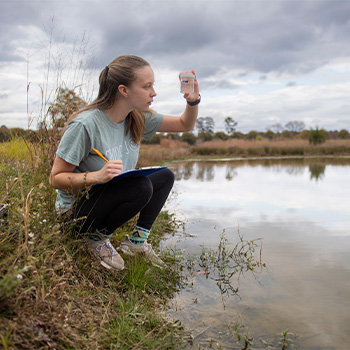
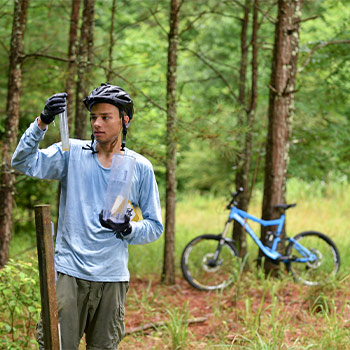
Along with involvement outside the classroom, environmental studies classes at Berry frequently take on applicable research or projects that can immediately be applied to the college or community context.

${_EscapeTool.xml($imgAlt)}

For example, one environmental studies course helped develop web content highlighting sustainability practices at Berry to date. Describing their work, Courtney Cooper, assistant professor of environmental studies, says, “Their project required students to think critically about how sustainability actually functions at an institutional level and how to communicate that responsibly without greenwashing.”

Their work includes web content and updates on six areas of environmental responsibility at Berry:

  1. Renewal energy
  2. Waste and recycling
  3. Water management
  4. Sustainable technology
  5. Land use and stewardship
  6. Further resources

Students examined Berry’s sustainability efforts, from energy-efficient building upgrades and recycling partnerships to research on water management and solar power opportunities. They also identified specific gaps and areas where additional investment and action are still needed.

Faculty have also organized a sustainability committee with representatives from across the college who provide coordinated leadership, accountability and strategic direction for sustainability efforts on campus. This structure is necessary to improve communication and collaboration among stakeholders while working to position Berry as a model of responsible, holistic land stewardship going forward.

Choosing green and joining the effort

For today’s students, choosing a college is often about choosing the kind of future they want to help shape. When college campuses highlight or model opportunities for sustainable practice, they demonstrate how communities can operate responsibly while preparing students to lead in a world facing complex environmental challenges.

As you explore schools, look for institutions that treat sustainability as a daily mindset and habit rather than a talking point. Ask questions. Visit in person. Pay attention to how students live, learn and engage with their environment.

Want to learn more about environmental studies or sustainable practices at Berry? Check out these stories, talk with an admissions counselor or come see our living lab for yourself!