News & Stories
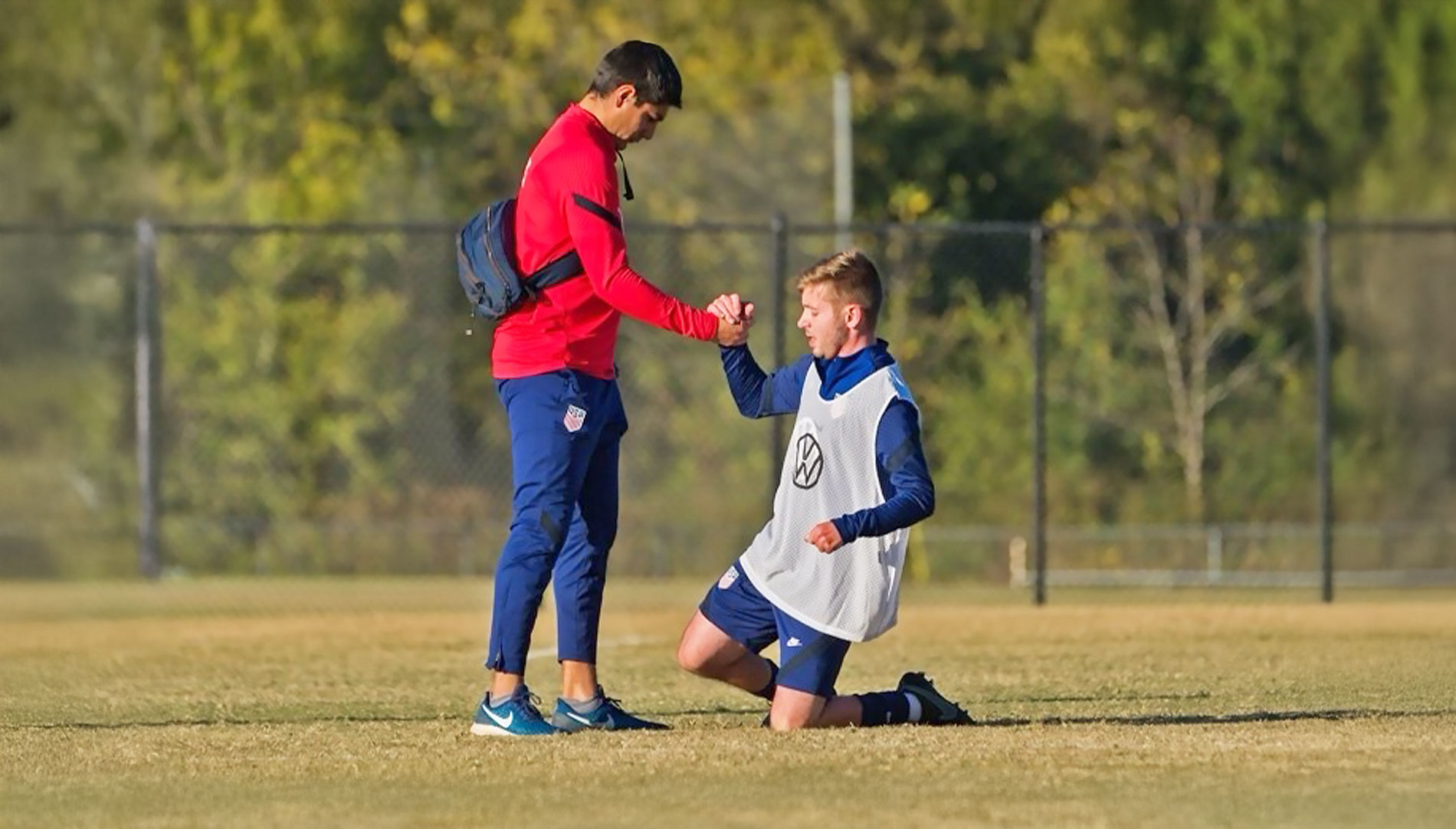
a male student with medical bag and water bottle helping a soccer player stand from the ground
May 6, 2026

How to Break into the Sports Industry

Working for popular sports teams is a hot job commodity these days. Many high school students experience the thrill of big sporting events and wonder, “What does it take to work for a sports team?” Common search queries include “How do I get a job with a sports team?”, “Do you need a degree to work in sports?” and “Are sports internships worth it?” These questions peak around major sporting events and hiring cycles, including World Cups, Olympics and league seasons.

Here’s the reality: sports organizations function less like what you experience in high school sports and more like global businesses. Teams hire people with a variety of roles and degrees, including marketing, operations, analytics, logistics, finance, media, technology and more. Employees in these areas are often under intense timelines and public scrutiny. Understanding what it takes to break into the sports industry requires understanding the different types of work available and how you might fit into the mix.

What kinds of jobs exist in the sports industry?

It’s a common misconception that sports industry positions are only for athletes and coaches. Many employees work off the field or on the sidelines. Here’s a list of common careers also involved with the sports industry:

  • Operations and event management (scheduling, logistics, venue coordination)
  • Marketing and fan engagement (digital content, social media, sponsorships)
  • Data and analytics (performance data, ticketing analytics, fan insights)
  • Media and communications (broadcast, public relations, content production)
  • Business operations (finance, human resources, partnerships, legal, sustainability)
  • Athletic training and sports medicine (injury prevention, evaluation, rehabilitation, athlete health and performance support)

Do you need a degree to work for a sports team?

This is one of the most searched questions related to sports careers. The short answer is that a degree definitely helps. But in such a competitive industry, it is also valuable to have specific experiences and skill sets that help you stand apart from the crowd of interested applicants.

Employers consistently prioritize:

Deloitte’s 2026 Sports Industry Outlook highlights that AI, data integration and digital fan engagement are now central to how teams operate, making technical and analytical skills increasingly valuable even in nontechnical roles.

Different paths to the same industry

Considering Berry’s proximity to Atlanta and the numerous sports-related jobs afforded to students on campus, Berry graduates head into this industry from a variety of majors and disciplines. To capture the scope of different majors that can lead to work with sports teams, here are three different “Berry journeys” that led to positions adjacent to professional sports.

1. Sportswriter finds niche in event operations

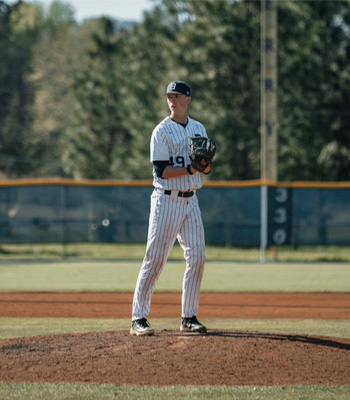
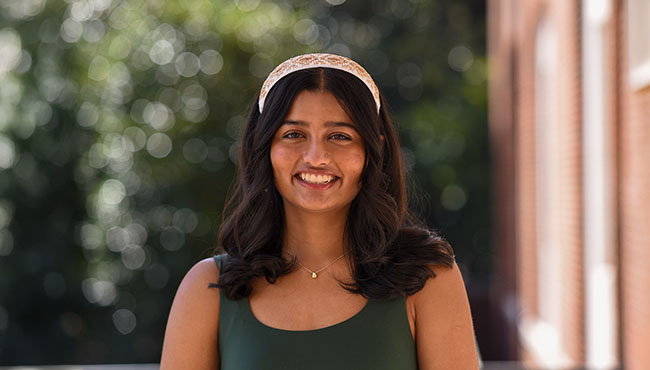
Stephen Slezak ’26 started working for the Atlanta Braves before graduation in May. As a part of the events operations logistics team, his summer will be full of baseball events.

A double major in communication and sport leadership and strategy (SLS) and a Berry baseball player, he held the job as lead sportswriter at the college. In this role, he supported the coverage and promotion of multiple sports. He worked closely with his supervisors to ensure accurate, timely and professional communication of game results and team information. He wrote detailed postgame recaps, compiled and verified statistics, scores and records, and ensured all content followed institutional branding guidelines and AP style.

“The role required strong attention to detail,” says Slezak. “It also required knowledge of college athletics and the ability to work efficiently during live events and high-pressure situations. Going to Berry opened doors and created relationships for me that will last a lifetime.”

${_EscapeTool.xml($imgAlt)}

Today, he’s putting those skills to work, manning event setup and breakdown, gameday and fan experience activities and more.

2. Student work experience pays off

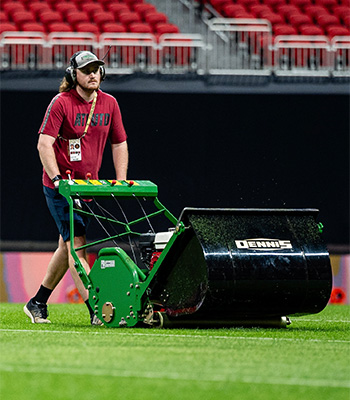
The path to professional sports operations for Jason Bell ’22 began with a different set of experiences. A creative technologies major and a member of the Berry cross country and track teams, Bell worked on Berry’s grounds crew from his first day on campus through graduation. He maintained academic, residential and athletic spaces (e.g., baseball, soccer) and campus event areas. His consistent responsibility, paired with the demands of being a student-athlete, built a work ethic and operational mindset that translated directly to professional stadium environments.

In his creative technologies major, the curriculum was built around project-based learning, fabrication and collaborative problem-solving. Collaborating with faculty and peers in hands-on settings, he practiced identifying problems, prototyping solutions and communicating results.

Although creative technologies did not train him specifically for turf management, Bell credits the program with shaping the way he thinks. His professors taught him to break complex systems into manageable parts, to recognize patterns and to confidently engage with new equipment or unfamiliar challenges. His problem-solving mindset, along with his extensive experience on the grounds crew of the world’s largest campus, built a foundation for his entry into professional sports.

While still a student, Bell began working with the Atlanta Braves’ grounds crew, commuting between campus and Truist Park during his final semester. Today, Bell occasionally works for the Atlanta Braves but holds a full-time position at the Mercedes-Benz Stadium, where he serves on the field operations and grounds teams, maintaining world-class playing surfaces under constantly changing conditions.

At Mercedes-Benz Stadium, he is part of the team managing the transition to natural grass in preparation for international soccer competition, including the FIFA World Cup. He describes the work as one of the most technically complex sports environments in the world. Bell’s trajectory underscores how immersive work experiences can open doors. His skills developed at Berry now have him considering the science of growing grass indoors on one of the biggest stages in sports.

${_EscapeTool.xml($imgAlt)}

3. A clinical route to the field.

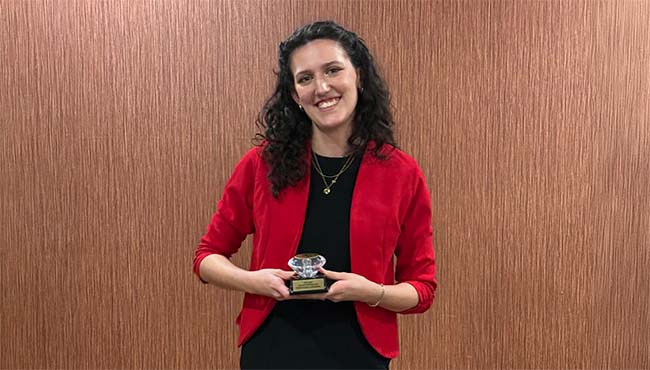
Juan Chavez’s career in sports medicine and elite athletic performance is rooted in the hands-on, service-oriented experiences he gained at Berry. A 2019 graduate of Berry’s exercise science program, Chavez combined coursework in kinesiology, human performance and research with real-world responsibility on campus.

As a student, he served as a research assistant and research coordinator in Berry’s kinesiology department, contributing to faculty-led studies focused on metabolic response and high-intensity exercise protocols. At the same time, he gained clinical experience working as a student athletic trainer intern. He supported Berry’s athletic training staff during summer sports camps, managed insurance and health documentation for collegiate athletes and assisted with injury care and rehabilitation modalities.

His Berry experiences became a jumping off point for Chavez’s future in professional and international sports medicine. Following Berry, he earned a Master of Science in Athletic Training and accumulated experience across high school, collegiate and professional levels — including work with MLS NEXT Pro, Major Arena Soccer League, collegiate athletics and national events.

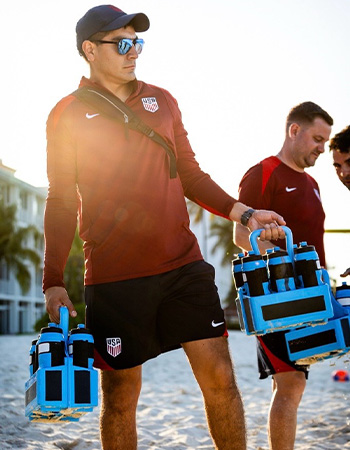
Today, Chavez works as an athletic trainer with the U.S. Soccer Federation, supporting U.S. National Teams while continuing clinical work in Georgia. Working for U.S. Soccer, he’s traveled to 12 countries and various U.S. cities. Chavez gives Berry credit for his confidence and skills as a communicator. He also says he’s one of three Berry alums supporting the national teams.

His day-to-day responsibilities require many of the same skills he developed at Berry: precise documentation, athlete-centered care, interdisciplinary communication and the ability to perform under high-pressure conditions. Chavez’s path reflects how Berry’s applied learning model prepares students for impactful roles behind the scenes of elite sport.

${_EscapeTool.xml($imgAlt)}

Lots of majors, but important takeaways

The good news is there’s not just a single path to working in the sports industry. Employers are looking for graduates who have already tested themselves in real environments. The most valuable experiences are those that pair book knowledge with lived experience.

Internships at the FIFA World Cup

Take, for example, opportunities like Berry College’s FIFA World Cup internships through SLS. Designed as a high-impact learning opportunity and a professional proving ground, the internship places students directly inside FIFA World Cup operations in Atlanta.

Micah Natale, visiting associate professor of SLS, notes the experience was embedded within the SLS internship structure, allowing students to earn academic credit while engaging in real professional sport environments.

“What makes the internship distinctive is its immersion in match day operations,” says Natale.

Atlanta will host eight World Cup matches, including group play and knockout rounds, with students working 10- to 12-hour match days across multiple functional areas. Through partnerships with major event organizations, students are embedded in security operations alongside professionals who manage the Super Bowl, College Football Playoff and Final Four. Other students are a part of hospitality and fan experience roles, ranging from VIP lounges and suites to crowd engagement and retail operations.

Just as importantly, the experience is intentionally reflective. Before students arrive on match day, they complete preparatory work designed to shape mindsets as much as skill sets. Internship students read and reflect on a leadership text focused on perseverance, openness and adaptability. Likewise, after the tournament, students will participate in a structured debrief, connecting their experiences back to classroom learning, leadership competencies and real-world problem-solving.

Hosting the World Cup nearby is a rare, generational event, and its significance goes far beyond a single summer. Natale sees this experience as part of a broader, layered pathway preparing students for increasingly global opportunities.

For students, the takeaway is clear. It is the kind of high-pressure, high-responsibility experience that employers across the sports industry consistently cite as essential. It offers Berry students a powerful example of how applied learning becomes lasting professional preparation.

Find your niche

If working for a sports team is your next step, Berry College offers hands-on learning built into your academic experience. From internships with professional sports organizations to campus-based roles that mirror real event operations, students practice the work long before graduation.

Want to learn more about one of the programs included above? Find your admissions counselor or plan a campus visit. When visiting, you’ll see how classes connect to hands-on experiences, meet faculty who are building industry partnerships and research, and discover the spaces where student work turns into professional opportunity.