When students leave behind their normal support systems, they must learn to build trust, communicate across differences and create new communities. The ability to restart and to confidently build new relationships is an essential life skill that contributes to resilience and long-term well-being beyond college.
5. Study abroad leaves students with a greater sense of possibility.
Perhaps the most difficult benefit to measure is also one of the most impactful. Students come home with a renewed sense of what is possible for their future.
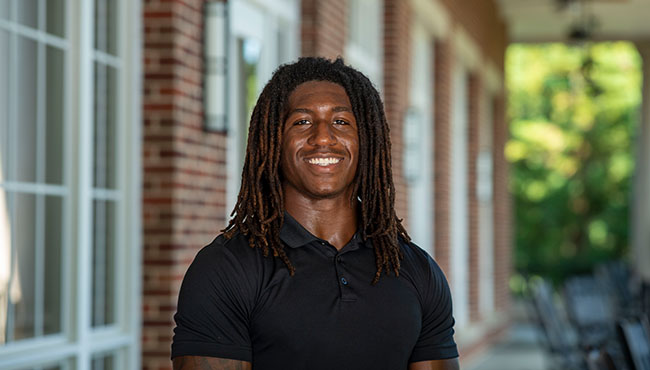
Zion Rome ’26, now a J.D. candidate at Belmont University, reflected on his study abroad experience in Morocco as a Berry student: “This trip forced me to step outside of my comfort zone and grow as an individual. To anyone who is thinking about studying abroad, I cannot recommend it enough, as it was a life-changing experience that I am forever grateful for.”
Experiences away from family and college can often help students reevaluate or see new career paths more clearly. They encounter other exciting lifestyles or learn about ways they don’t want to live. Beyond seeing incredible places, students return with a greater vision of what their lives can become.
A common denominator
Competence, perspective, flexibility, connection and possibility – what do they have in common? At first glance, these may seem like separate outcomes, but they describe a concept coined by youth mental health professionals and licensed counselors as “capability.”
Sissy Goff and David Thomas, two of the country’s leading voices on youth resilience, define it in their book, Capable. They observe that capable young people “have practiced coping and learned competence for life's challenges.” The signature characteristics of young people with high capability mirror the strengths garnered through study abroad experiences. It's not that the programs or experiences magically create these qualities in students, but study abroad provides repeated opportunities to practice them.